


There’s something timeless about pairing a rumbling cruiser with a full-metal revolver strapped to your side. While the broader gun world has largely embraced high-capacity polymer pistols, a noticeable slice of motorcycle riders—particularly in American cruiser circles—still reaches for revolvers. It’s not just nostalgia; it’s a blend of practicality, aesthetics, and deep cultural roots.
The Cultural Split: Sport Bikes vs. Cruisers
Motorcycle culture isn’t monolithic. Sport bike riders, often gear-headed and performance-focused, tend toward modern striker-fired pistols or competition-style 2011s. These guns match their high-tech, lightweight machines.
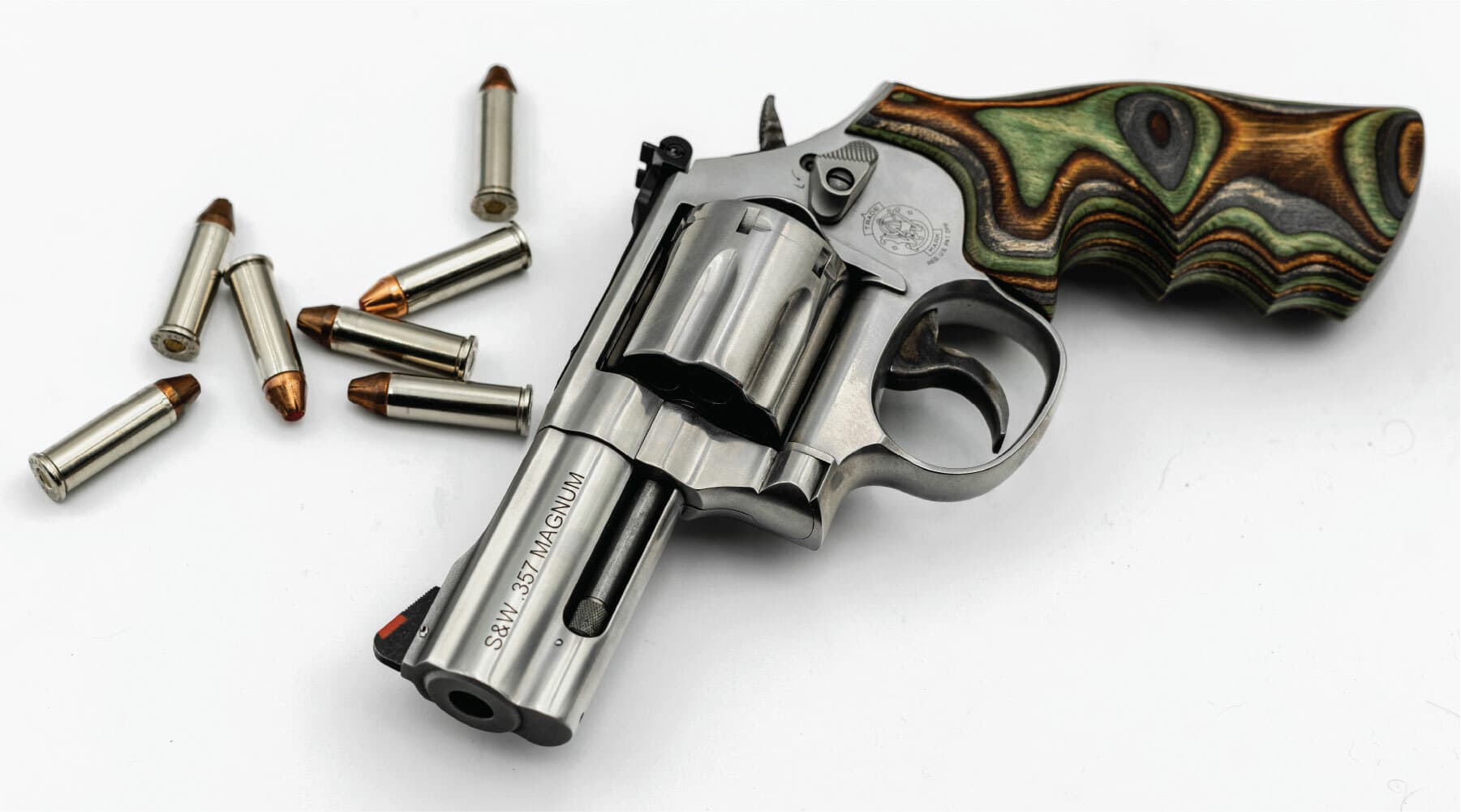
Cruiser riders, especially Harley-Davidson enthusiasts, lean the other way. Chrome-heavy bikes with big V-twins call for guns that echo that heritage: polished stainless or blued revolvers like Smith & Wesson 686s, 629s, or Colt Pythons. The revolver’s metal construction and classic lines complement leather, studs, and open-road freedom. It’s form meeting function in a very deliberate way.
Practical Advantages for Riders
Riding throws unique challenges at your gear. Vibration, wind, rain, dust, and gloves can degrade fine motor skills. Many riders note that a revolver’s long, heavy double-action trigger provides a built-in safety margin when adrenaline is high and dexterity is low. No slide to manipulate, no risk of a failure-to-feed from a limp wrist or awkward riding position.
Revolvers also shrug off environmental abuse better in some scenarios. Dirt, grit, and moisture are constant companions on long rides. A wheelgun’s enclosed cylinder keeps things simpler than a reciprocating slide that can bind up. For weekend warriors treating the bike as escape rather than daily grind, this reliability matters.
Carry methods add another layer. Shoulder holsters keep weight distributed and accessible while seated. Some prefer strong-side belt carry or even modified setups that work with riding posture. The key is balancing concealment, retention at speed, and quick access when stopped—when most self-defense incidents occur.
A Long History: From Bicycle Guns to Modern Bikes
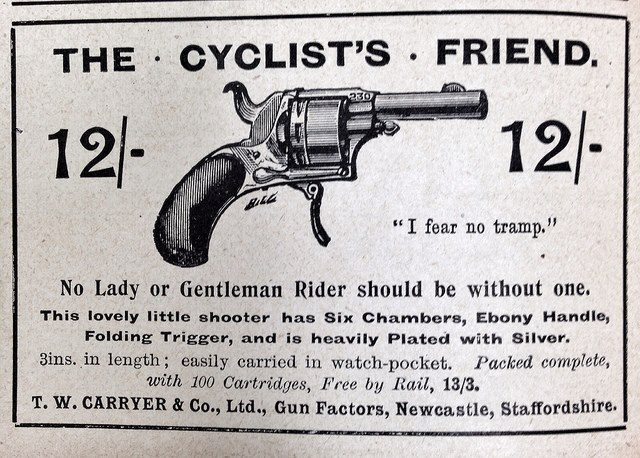
The link between personal wheels and revolvers goes back over a century. In the late 1800s and early 1900s, cyclists faced aggressive dogs on rural and urban roads. French gunsmith René Galand (building on his father’s work) created the Velo-Dog revolver—a compact pocket wheelgun in 5.5mm or .22 caliber designed specifically to deter or stop attacking dogs. These “bicycle guns” became popular across Europe, with variations made in Belgium, Spain, and beyond. Some fired pepper-loaded rounds for non-lethal options.

Fast-forward to the mid-20th century. Post-WWII veterans, seeking camaraderie after the war, helped birth modern motorcycle clubs. Many military Harleys came equipped with rifle scabbards, normalizing firearms as part of the riding lifestyle. Outlaw and one-percenter culture further intertwined bikes with guns, though law-abiding weekend riders today focus more on personal protection and heritage.
This Western-cowboy-gunslinger imagery stuck. Harleys became modern iron horses, and revolvers—evoking six-shooters—fit the romantic narrative of freedom and self-reliance.
Style, Identity, and Keeping Wheelguns Alive
Beyond utility, it’s about identity. Cruiser culture celebrates tradition and customization. A shiny revolver in a leather holster looks right at home next to chrome pipes and a studded saddle. It tells a story that a matte-black polymer gun simply doesn’t.
In an era dominated by striker-fired efficiency, these riders help sustain revolver production. Manufacturers continue making classics because demand exists in passionate niches like bike culture.
Wrapping It Up: Tradition Meets the Open Road
Motorcycling is more than transportation—it’s an experience. For many, that experience includes a revolver that matches the bike’s soul: reliable under vibration and weather, simple under stress, and rich with history.
Sport bike or cruiser, the overlap between motorcycles and responsible firearms ownership remains strong. It creates community, sparks conversations at rallies, and keeps skills sharp.